Road trips have gained popularity in recent years, and both motorhomes and campervans offer a unique way to travel with freedom, comfort, and flexibility. However, choosing between a motorhome and a campervan isn’t easy , as each has its own features and advantages. In this article, we break down the key aspects to help you decide which is the best option for you.
What is a motorhome?
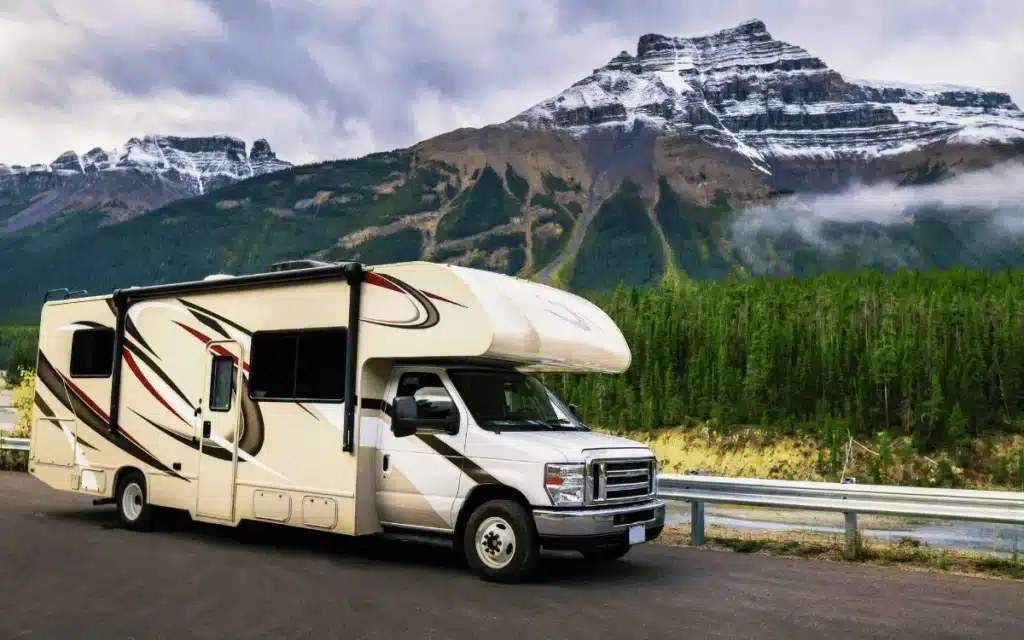
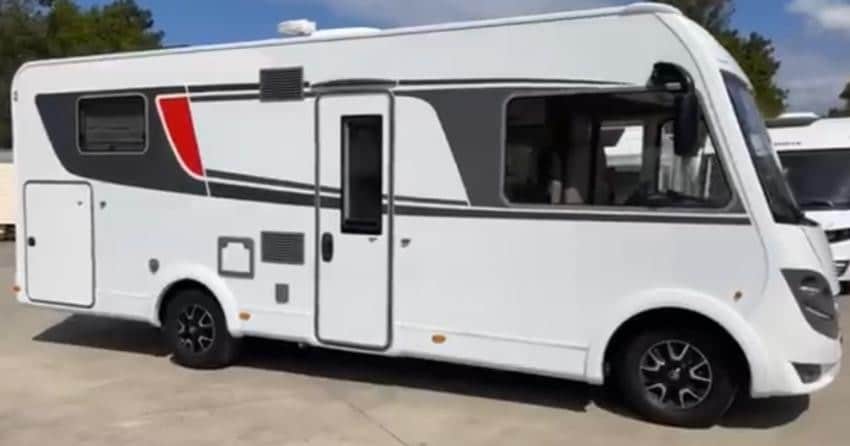
A motorhome is a motorized vehicle designed for living and traveling, with all the necessary amenities. Unlike a car or van, a motorhome is equipped with living areas, a kitchen, a bathroom, and bedrooms, all within a single vehicle. There are several types of motorhomes , each with its own characteristics:
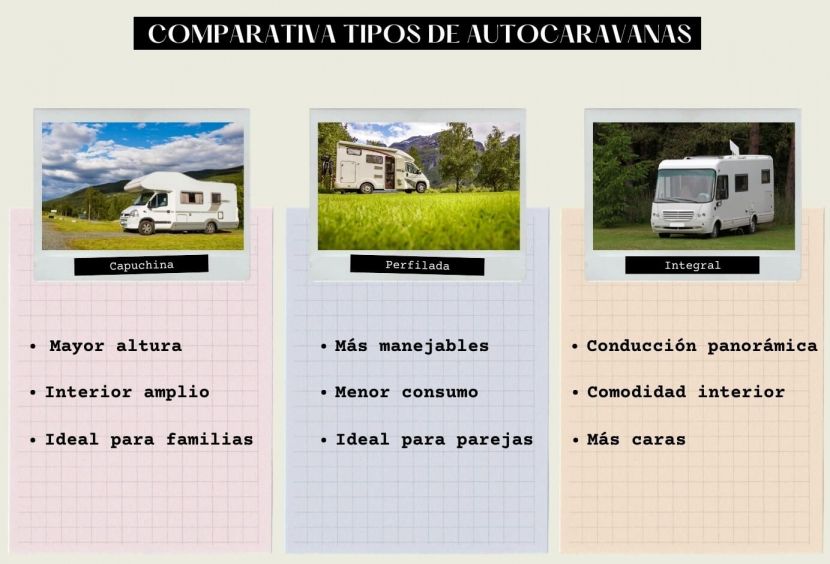
- Class A : These are the largest and most luxurious motorhomes. They resemble buses and offer ample living space, ideal for extended stays and trips with multiple people. They are equipped with full kitchens, spacious bathrooms, separate bedrooms, and entertainment areas. They are perfect for those seeking maximum comfort.
- Class B : Although known as campervans in some places, they are considered a category of motorhome in others. They are more compact and based on commercial vans. They offer less space than Class A campervans, but are still comfortable and much more maneuverable.
- Class C : These motorhomes are a middle ground between Class A and B. They are characterized by having a driving cab similar to that of a small truck, with a living area that includes an overcab extension ( cab ) that is usually used as an additional bedroom. They are popular for their versatility and good balance between size and comfort.
What is a camper?
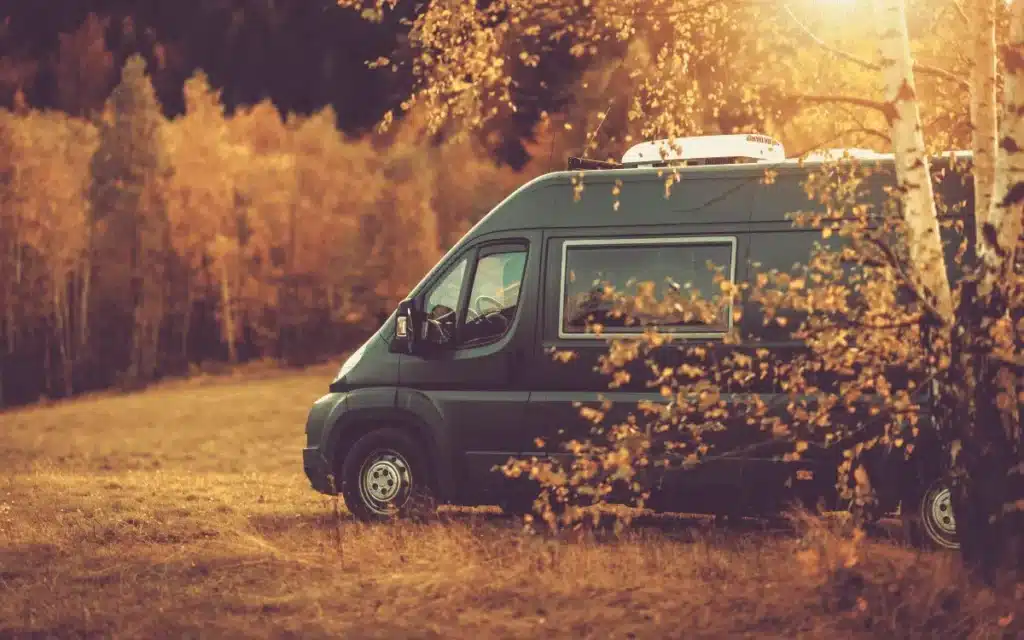
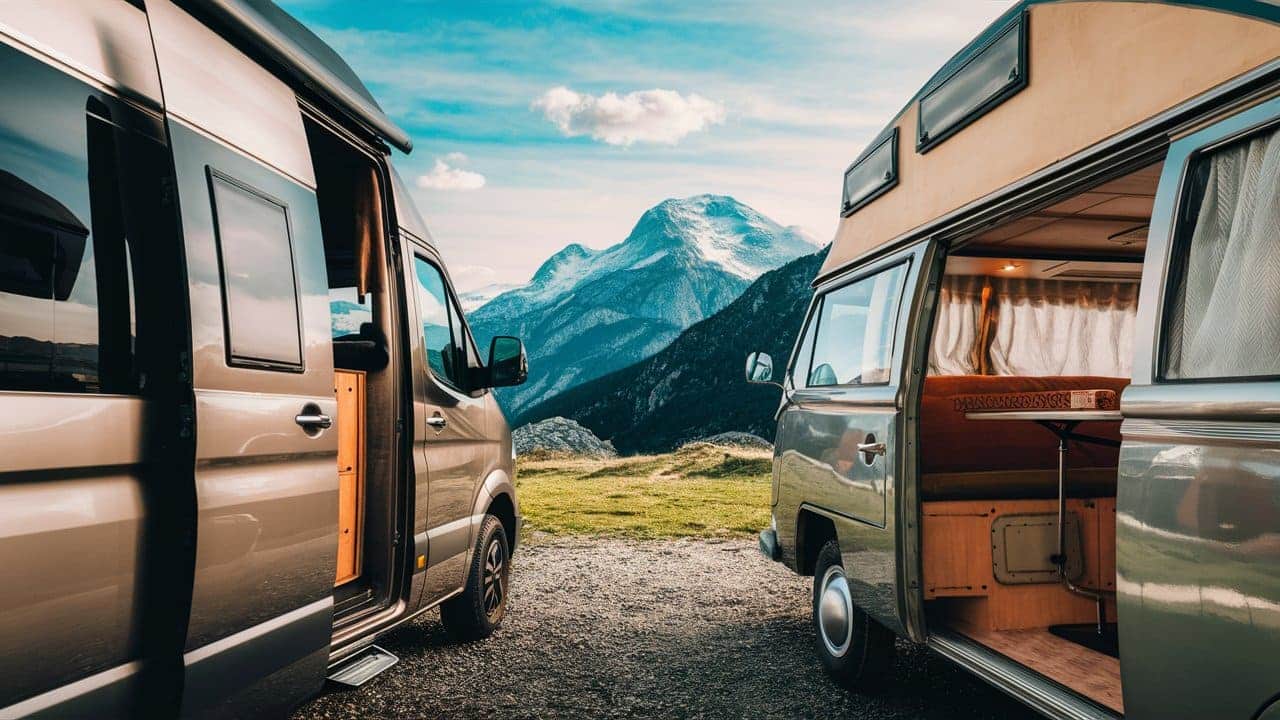
- Campervans : These are commercial vans that have been modified to include a bed, a small kitchen, and sometimes a compact bathroom. They are popular for their versatility and ability to be used both as a daily driver and for travel.
- Camper Vans : These are campers built on the chassis of commercial vans but with a design more focused on comfort and spaciousness . They are usually taller than converted vans and offer more interior space, making them suitable for longer trips.
- Pick-up Truck Campers : These are habitable modules installed in the back of a pickup truck. They offer the advantage of being able to remove the living area, freeing up the truck for other uses when not traveling.
What license do I need?
The type of driving license you need to drive a motorhome or campervan depends mainly on the weight of the vehicle:
- Motorhomes up to 3,500 kg : If your motorhome has a maximum authorized weight (MAW) of up to 3,500 kg, you can drive it with a Class B license, the same one used for cars . This is the case for most Class B and Class C motorhomes.
- Motorhomes between 3,500 kg and 7,500 kg : For vehicles weighing between 3,500 kg and 7,500 kg, you will need a C1 driving license . This applies to larger motorhomes, such as some A and C class vehicles.
- Motorhomes over 7,500 kg : To drive motorhomes over 7,500 kg, a Class C license is required, the same one needed to drive trucks.
- Campers up to 3,500 kg : Most campers can be driven with a Class B license , as they are usually below the 3,500 kg threshold.
It is important to always check the total weight of the vehicle and consult local regulations, as requirements may vary from country to country.
At this point you might be interested in reading:
Comparison between Motorhome and Campervan
When choosing between a motorhome and a campervan, it is essential to consider several key factors:
Fuel Consumption
- Motorhomes : Generally, motorhomes consume more fuel due to their larger size and weight (between 8 and 14 liters per 100 km). Class A motorhomes are the least fuel-efficient, while Class B motorhomes are slightly more efficient.
- Campervans : Because they are smaller and lighter, campervans are generally more fuel-efficient (7 to 10 liters per 100 km). This makes them more economical for long trips.
Ease of Driving
- Motorhome : Driving a motorhome, especially a large one, can be more complicated, particularly on narrow roads or in urban areas. Maneuvers like parking require more space and experience.
- Campervans : Campervans are much more maneuverable and easier to drive, comparable to driving a van. They are ideal for those who have no experience driving large vehicles.
Costs
- Motorhomes : Motorhomes are more expensive to buy, maintain, and insure. The cost of services, fuel, and repairs is also typically higher.
- Campervans : They are more affordable in terms of initial purchase price, maintenance, and insurance. Furthermore, their lower fuel consumption reduces operating costs.
Comfort and Space
- Motorhomes : They offer more living space, with separate areas for sleeping, cooking, and relaxing. They are ideal for extended stays and for those seeking a high level of comfort.
- Campervans : Although smaller, campervans are designed to make the most of the available space. They are suitable for short trips and for those who don’t need as much space.
Squares
- Motorhome : Motorhomes usually offer more sleeping spaces, generally between 2 and 8 places, making them ideal for families or large groups.
- Campervans : Campervans have fewer seats, generally between 2 and 4, making them more suitable for couples or small groups.
Ability to drive on dirt roads
- Motorhome : Due to their size and weight, motorhomes are not designed for driving on dirt roads or rough terrain. They are better suited to paved roads and well-equipped campsites.
- Campervans : Campers, especially the more compact and pickup-type models, are better equipped to handle dirt roads and more challenging terrain. They are ideal for adventurers looking to explore remote areas.
Where can you park a motorhome to sleep? And a campervan?
- Motorhomes : In many countries, motorhomes can be parked at campsites, designated motorhome service areas, and some designated parking lots. However, regulations vary, and it’s important to check local rules. Parking in urban areas can be more complicated due to the size of the vehicle.
- Campervans : Due to their smaller size, campervans have more parking options. They can park in many places where a motorhome couldn’t, including urban areas and more natural locations. However, it’s essential to respect local regulations for overnight stays.
So, which one should you choose?
The choice between a motorhome and a campervan depends on your needs and personal preferences. If you value space and comfort, and plan to take long trips with several people, buying a motorhome might be the best option. However, if you prefer flexibility, ease of driving, and the ability to access more remote locations, a campervan could be the ideal choice.
Carefully evaluate each factor, considering your lifestyle and the type of trips you plan to take. Both types of vehicles offer an exciting way to explore the world, and choosing the right one can significantly enhance your experience on the road.
One piece of advice: rent first before you buy and experiment with each one.
If you’re undecided between a motorhome and a campervan, renting both types of vehicles before making a decision is an excellent option. Renting allows you to experience firsthand the differences in terms of driving, comfort, and suitability to your travel style. It will also give you a clear idea of what you really need, which can prevent a significant investment in a vehicle that might not be the best fit.